
How to Rehydrate Freeze-Dried Food Without the Guesswork
Freeze-dried food is easy to use once you know whether you’re making a meal, softening an ingredient, or opening a snack. The goal is to add the water the food needs without turning dinner into soup.
How do you rehydrate freeze-dried food?
Add the amount of water listed on the package, stir well, and let the food rest for the full time shown. For homemade food, try a small portion and add water gradually. Check the center of a thick piece before serving. If the food was raw before freeze-drying, it still needs cooking.
First, check what kind of food you have
Follow the pouch
Use its water amount, temperature, and wait time. A pasta meal and a breakfast pouch can have different directions.
Check raw or cooked
Look for that detail on meat and eggs. Softening raw food in water does not make it ready to eat.
Keep the crunch
Fruit sold as a snack can be eaten dry. You only need to soften it if that suits what you’re making.
Freeze-drying removes water, but it does not kill harmful germs. University of Minnesota Extension explains the raw-food limits.
How to prepare a freeze-dried meal pouch
Have drinking water, a measuring cup, a spoon, and a timer ready. Use a clean bowl with a lid if the package isn’t meant for adding hot water.
- Read the directions before pouring. Check whether the water amount is for one serving or the whole pouch. Remove the oxygen absorber packet.
- Measure the water. Use the temperature on the label. Set the pouch on a steady surface and pour carefully.
- Stir right into the bottom corners. Wet the dry food and powder caught in the folds, then close the pouch as directed.
- Give it the full rest time. Follow any halfway stirring step. Set a timer so you aren’t guessing.
- Stir again and check the texture. Break open a thick piece. If the middle is dry, use the fixes below before serving.
This method follows Mountain House’s preparation guidance. Use the directions on your own meal, including any required cooking steps.
Dry rice in a creamy meal?
Before adding more water, stir from the bottom and check whether the meal has finished its full wait. If liquid remains, give the food more time to absorb it. If the food has soaked up the water but still has dry centers, add a small splash of hot drinking water, stir, cover, and check again.
Make one small change at a time. That makes it easier to fix the meal without watering down the sauce.
How to use fruit, vegetables, meat, and other ingredients
Match the method to the dish. Food going into soup can soften in the broth, while a crunchy fruit topping may not need water at all.
| Food | A useful way to prepare it | What to check |
|---|---|---|
| Snack fruit | Eat it dry, or add it to oatmeal or a smoothie. | Use fruit labeled ready to eat. Stir a little extra liquid into oatmeal if it becomes too thick. |
| Vegetables | Soften with the label’s water amount, or add to a soup using the ingredient directions. | Complete any required cooking. Don’t assume all dried vegetables are ready to eat. |
| Fully cooked chicken, beef, or pork | Rehydrate as directed, or use in a soup or stew. | Check a thick piece before serving. Broth is another option when the instructions allow it. |
| Raw meat, poultry, or eggs | Follow the food-specific rehydration and cooking directions. Rehydrate raw meat in the fridge. | Cook to a safe internal temperature. Hot soaking water is not a substitute for cooking. |
| Cooked scrambled eggs | Follow the pouch directions. For homemade cooked eggs, add small amounts of hot water and stir gently. | Make sure they were cooked before drying. Raw egg powder needs cooking. |
| Milk powder or shredded cheese | Mix milk using its directions. Add suitable shredded cheese to a moist dish as it cooks. | Keep prepared dairy cold when you’re not using it. Milk powders have different mixing amounts. |
Ingredient methods: University of Arizona and University of Idaho Extension guide and Thrive Life’s cooking guidance. For fruit in oatmeal, see Crunchies’ breakfast recipes.
Strawberries in oatmeal
Stir ready-to-eat freeze-dried strawberry pieces into your oatmeal as you prepare it. Let the fruit soften in the oatmeal’s liquid, then adjust the thickness with a little water or milk. Add the fruit just before eating if you want a crunchy topping instead.
Chicken in a bowl of soup
Use fully cooked freeze-dried chicken and follow its preparation directions. For a label that allows adding it directly to soup, let the pieces soften in the broth. Check the center of a larger piece before serving, and top up the broth if the soup gets too thick.
Adding vegetables to a meal pouch?
Prepare extra vegetables according to their own directions, then mix them into the finished meal in a roomy bowl. This keeps the pouch’s water amount useful and gives you room to stir.
Don’t pack a pouch full of extras and guess how much boiling water will fit. Freeze-dried and dehydrated ingredients can also need different preparation. See the freeze-dried versus dehydrated food comparison.
How much water should you add?
Use the package amount for purchased food. There is no single water-to-food ratio that works for every meal. Keep the directions when you divide a large can into smaller portions.
For homemade food, save the before-and-after weights
Weigh the food before and after freeze-drying, using the same tray and contents. The weight lost gives you a starting estimate for the water to add back. University of Minnesota Extension recommends this approach.
If a batch goes from 600 g to 150 g, it has lost 450 g. That gives you a starting estimate of 450 g of water for the whole batch. For one-quarter of that evenly mixed batch, the estimate is about 113 g.
Weigh the water in a separate container before heating it. Keep weight ounces separate from fluid ounces: one measures weight, the other measures volume.
The estimate is a starting point for texture, not a safety test. Try a small portion first, add water gradually, and record the amount you like. Read the Extension guidance on weighing food for rehydration.
No weights saved? Start with a small portion
For a homemade, fully cooked meal such as chili, spoon out a small serving into a heat-safe bowl. Add a little hot drinking water, stir, and cover. Check the beans and meat as well as the sauce before adding more.
Once you like the texture, write down the dry portion weight, total water, and rest time. Reheat homemade cooked meals to 165°F (74°C), checking with a food thermometer. Use those notes for the same batch rather than guessing next time.
How to fix dry, watery, or mushy food
| Problem | What to try | Next time |
|---|---|---|
| Dry centers with liquid still in the bowl | Stir, cover, and allow more time within the safe handling limits below. | Follow the full wait time and check thick pieces. |
| Dry centers with no liquid left | For a cooked hot meal, add a small splash of hot water. Stir and cover again. | Measure the portion and water carefully. |
| Watery sauce | Finish the directed rest time first. If the food is soft but still too wet, spoon off extra liquid where practical. | Check that you used the amount for your portion, not the whole can. |
| Mushy fruit | Use it in oatmeal or blend it into a smoothie instead of serving it as firm fruit. | Keep it dry for crunch, or soften only what you need. |
| An uneven mix | Stir the bottom corners and break apart dry clumps. | Use a bowl with enough room to stir when you add extra ingredients. |
These are texture fixes for food that has been handled safely. Discard food that has been left out too long. Adding water or reheating does not undo unsafe storage.
Can you rehydrate freeze-dried food with cold water?
Yes, for products whose maker allows it. Mountain House says its meals can use cold water and need about twice their usual rest time. That advice is specific to its meals, not every freeze-dried food.
Check your meal before relying on it for a power outage. Raw meat and eggs still need cooking, and a long soak on the counter is not a safe workaround. See Mountain House’s cold-water instructions.
Plan the water as well as the food
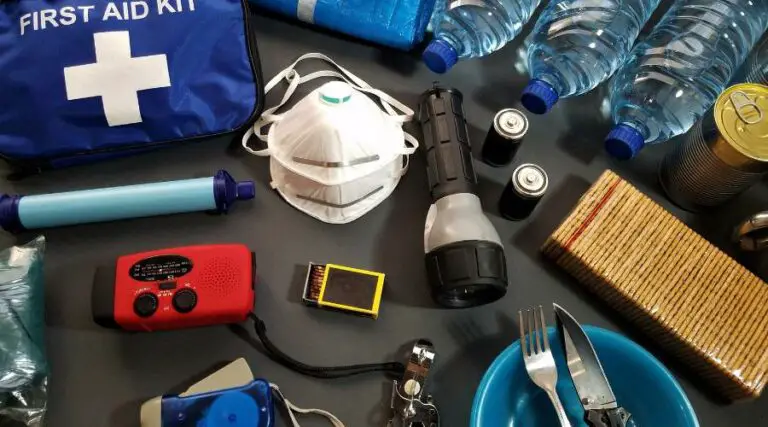
For an emergency meal plan, add up the preparation water on the packages you’ll actually use. Keep that amount available alongside water for drinking and cleanup. A dry meal pouch won’t help much if you don’t have water to prepare it.
Keep food safe after you add water
Once a meal is wet, its long dry-storage life no longer applies. Make only what you plan to eat when you won’t have a working fridge.
- Refrigerate food that can spoil within two hours. Make that one hour when the air is above 90°F (32°C). Keep the fridge at 40°F (4°C) or below.
- Use shallow containers for leftovers. Refrigerate promptly rather than leaving a full bowl on the counter to cool.
- Use refrigerated cooked meat, soups, and stews within three to four days. Follow a shorter time on the label.
- Cook raw food properly. After rehydrating, raw poultry needs 165°F (74°C), and ground beef needs 160°F (71°C). Check with a food thermometer.
Sources: FoodSafety.gov’s safe handling steps, cold storage chart, and cooking temperature chart.
For sealing the dry food left in an opened package and choosing storage containers, use our freeze-dried food storage guide.
Before you add the water
These checks stay on this page while it’s open; they aren’t saved.
Common questions
How long does freeze-dried food take to rehydrate?
Use the time on the package. Mountain House lists different times for different meals, so don’t use one pouch’s directions for another. Homemade food needs a portion check: stir, allow time, and inspect a thick piece rather than relying on one time for everything.
Can you eat freeze-dried food without adding water?
Yes, when it is ready to eat. Snack fruit is a simple example. Raw meat, raw eggs, and ingredients labeled “cook before eating” still need proper preparation.
Can you use broth instead of water?
Broth works well with suitable cooked meat and soup ingredients. Follow the product instructions and taste before adding more salt. A seasoned meal pouch may already have all the flavor it needs.
Should you drain the water after soaking?
Follow the ingredient directions. Don’t drain a prepared meal pouch as a routine step because you may pour away its sauce. If a separate ingredient’s instructions call for draining, drain it before adding it to your dish.
Sources and preparation notes
The methods above draw on university Extension guidance, federal food safety guidance, and manufacturers’ directions for their own products. Check the package in your hand, especially for water amounts, cooking steps, and allergens. Sources checked October 7, 2026.
Choosing your next meal? See our freeze-dried food buying guide. For home preparation, start with foods you can and cannot freeze-dry, or browse the freeze-drying guides.