
Is Freeze-Dried Food Healthy? Nutrition and Everyday Use
I was using some of our freeze-dried onions while cooking when I wondered how much drying changes the food we eat. I use freeze-dried ingredients in everyday meals, but I look at the food itself first. Plain fruit, a chicken dinner, and candy all start with different ingredients. What’s in the food and how much you eat are good places to start.
Is freeze-dried food healthy?
Yes, freeze-dried food can be a healthy part of your diet. Plain fruits, vegetables, and other simple foods keep much of their nutrition. Choose meals with enough protein and fiber, and check their salt and added sugar. Freeze drying preserves food; it does not turn candy or a salty meal into a healthier choice.
Can you eat freeze-dried food every day?
Yes. Use it as part of varied meals, rather than relying on one snack or meal pouch for all your food. For example, add plain freeze-dried berries to oatmeal or vegetables to soup. Include other foods that provide protein, fiber, and enough energy for your day.
Prepared meals need a closer look. A pouch may provide plenty of protein but also a large amount of sodium. Check what you will actually eat, including a whole pouch if that is your meal.
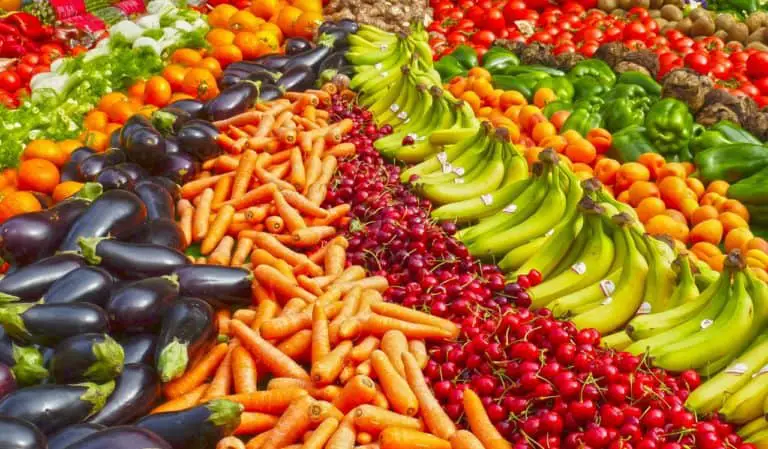
Fresh produce is one good choice. Frozen, canned, and dried fruits and vegetables with little or no added sugar can also fit. The 2025–2030 Dietary Guidelines for Americans include these options. You do not need a freeze dryer to eat well.
| Food | What to check | A useful way to eat it |
|---|---|---|
| Plain fruit | Fruit as the only ingredient; serving size and total sugar. | Add a measured portion to oatmeal or yogurt. |
| Plain vegetables | Added salt, sauces, or oil. | Add to soup, rice, or a cooked meal. |
| Meat, eggs, or beans | Protein, sodium, and cooking instructions. | Use as one part of a meal with vegetables and grains. |
| Prepared meals | Servings per pouch, calories, protein, fiber, and sodium. | Choose a meal that fits your needs and follow the package directions. |
| Candy and desserts | Added sugar and portion size. | Treat as a sweet snack, even when the package says freeze-dried. |
Does freeze drying remove nutrients?
Freeze drying keeps much of a food’s nutrition, but it does not guarantee that every nutrient stays unchanged. Utah State University Extension notes that labels for freeze-dried broccoli, pineapple, and cooked chicken compared well with fresh or frozen food data. That supports using these foods, not a fixed percentage for every product. Read USU’s nutrition discussion.
The process freezes food and removes ice as vapor under a vacuum. It does not strip out all the food’s protein, minerals, or fiber along with the water. Some nutrients can change during preparation, drying, and storage.
Does it really keep 97% of nutrients?
Do not use 97% as a promise for all freeze-dried food. A result for one nutrient in one food cannot describe every vitamin, mineral, and product. A study of alpine strawberries measured specific traits, including vitamin C, sugars, and pigments. It did not test every food or establish one universal nutrition score.
For shopping, the product’s ingredient list and Nutrition Facts label give you more useful information than a broad nutrient-retention claim.
Is freeze-dried fruit healthy, or is it too sugary?
Plain freeze-dried fruit can be a good fruit choice. Freeze drying does not add sugar, but it does not remove the fruit’s natural sugar either. Check the ingredient list for added sweeteners or coatings.
Removing water makes fruit much lighter. A small dry portion can contain the fruit solids from a larger fresh portion. That is why comparing equal weights of fresh and dried fruit can make the dried fruit look much higher in sugar and calories.
Use the package serving size as a starting point. Put a portion in a bowl instead of eating straight from a large bag. For a fair comparison, check the amount of fruit each serving represents rather than assuming equal dry and fresh weights are equal portions.
As one ingredient example, Crispy Green says its Crispy Fruit contains fruit without added sweeteners. That describes those products, not every freeze-dried fruit snack. Always check the package you buy.
How to tell whether a freeze-dried meal is a good choice
- Start with servings per package. If you eat two servings, double the listed amounts unless the label already shows the whole package.
- Check calories and protein. Compare meals based on the portion you will eat, not the serving count printed on a large emergency kit.
- Look at fiber and sodium. The FDA’s general guide calls 5% Daily Value or less low, and 20% or more high.
- Check added sugar and saturated fat. Compare similar meals using the same portion size.
- Read ingredients and allergen information. Freeze drying does not make a food fit an allergy or a special diet.
Source: FDA guide to the Nutrition Facts label. Daily Values are general reference amounts, not a personal meal plan.
A high-protein meal can also be high in sodium
Mountain House Chicken & Rice Pro-Pak lists one package as a serving. Its online label shows 650 calories, 43 grams of protein, 2 grams of fiber, and 1,710 milligrams of sodium. The sodium is 74% of the Daily Value.
That is a useful example of why protein alone does not tell the whole story. Compare sodium and fiber too, especially if you plan to eat packaged meals often.
Manufacturer label checked October 6, 2026. This is a label-reading example, not a taste test or product ranking. Formulas and package sizes can change; use your current package label.
If you have a prescribed sodium limit or another medical diet, choose foods that meet that plan. A “freeze-dried” label does not override your dietary needs.
Is it healthier than fresh, frozen, canned, or dehydrated food?
There is no single winner for every food and nutrient. Plain frozen vegetables, canned beans, fresh fruit, and freeze-dried ingredients can all serve useful roles. Choose foods you can afford, prepare, and enjoy eating.
Compare similar foods with similar portions and ingredients. Plain fruit is a different choice from fruit packed in syrup. Plain vegetables are a different choice from vegetables in a salty sauce.
For the practical differences in texture, cost, and use, see our freeze-dried versus dehydrated food guide.
Healthy food still needs safe handling
Freeze drying does not kill bacteria or replace cooking. Raw meat and eggs still need proper cooking before you eat them. Adding water does not make raw food ready to eat. University of Minnesota Extension explains these safety limits.
Follow commercial package directions for preparation and storage. For homemade food, use sound preparation, check that it is fully dry, and package it properly. See our food suitability and safety guide and packing and storage guide.
Before you buy a large supply
Use this checklist to compare a few foods first.
Common questions
Can you eat freeze-dried food without adding water?
Yes, for ready-to-eat foods such as plain fruit snacks. Follow package instructions for meals. Raw foods still need safe cooking, even if they are dry.
Does adding water restore lost vitamins?
No. Adding water changes the texture and weight; it does not replace nutrients lost during processing or storage.
Does freeze drying make candy healthier?
No. It changes the texture and removes water, but does not remove the sugar. Treat freeze-dried candy as candy.
Does freeze-dried food always have preservatives?
No. Some products contain only one ingredient. Others include sauces, salt, sweeteners, or additives. Read the ingredient list rather than judging by the drying method.
How we use these foods
I’ve added rehydrated produce and meat to meals at home. That tells me how those foods fit into my cooking. For nutrition, I look at the label or the research cited here.
This guide uses university guidance, FDA label advice, and clearly identified manufacturer information. Nutrition claims come from the cited sources, not our own lab testing. Product examples use manufacturer labels rather than our taste tests.
Where to go next
Ready to cook with these foods? Our rehydration guide explains how to add water, check the texture, and use the food in a meal.
Browse our freeze-drying guides for food choices, equipment, and storage. If you are thinking about making your own food, start with whether a home freeze dryer is worth it.
Correction: This revision removes earlier blanket claims that freeze drying keeps 97% of nutrients, dehydrating keeps 60%, and canning keeps 40%. These figures do not describe every food and nutrient.