
What Foods Last the Longest Without Refrigeration?
Foods that last without refrigeration are useful during power outages, camping trips, and other times when a refrigerator is not available. Some dry staples can last for decades when they are packed and stored the right way. Other pantry foods need to be used within a few months or years.
Quick answer
Foods that last the longest without refrigeration include properly packed white rice, whole wheat, dry beans, sugar, salt, and commercial freeze-dried foods. Some dry staples can last for decades in sealed, cool, dry storage. Most canned, dried, and everyday pantry foods need a much shorter rotation plan.
The best food storage plan is not built around one big shelf-life number. It is built around foods your family eats, packaging you can manage, and a rotation plan you will follow.
I have spent years researching and storing shelf-stable food for my family. This guide shares the foods that have been most practical for us, along with current storage guidance from USDA and university food-safety experts.
Shelf-life guide at a glance
These are planning ranges, not promises. Heat, moisture, light, pests, and a broken seal can shorten storage life. Always follow the package label when it gives a shorter time.
| Food | Planning range | What matters most |
|---|---|---|
| Polished white rice | Up to 25 to 30 years | Seal it in oxygen-free packaging and keep it cool. At 70°F with oxygen absorbers, Utah State University gives a range of up to 10 years. |
| Whole wheat berries | Rotate within about 5 years when you can | Use food-grade, moisture-proof packaging. Properly stored wheat has stayed usable much longer in research, but baking quality changes over time. |
| Commercial freeze-dried food | Follow the package date | The food, seal, package, and maker all change the storage life. |
| Low-acid commercial canned food | 2 to 5 years for best quality | This includes many meats, vegetables, soups, and beans. Keep cans cool and dry. |
| High-acid commercial canned food | 12 to 18 months for best quality | This includes many fruits, tomatoes, pickles, and foods in vinegar-based sauces. |
| Home-canned food | Use within 1 year | Use a tested recipe and the current processing method for that food. |
| Commercial jerky | About 12 months unopened | Follow the label after opening. |
| Home-dried jerky | About 1 to 2 months | USDA gives it a much shorter shelf life than commercial jerky. |
| Home-dried fruits and vegetables | About 4 months to 1 year | Keep them cool, dry, and dark. Dried vegetables often keep for less time than dried fruit. |
| Nuts, seeds, whole-grain flour, and oil | Short rotation items | Their natural oils can turn rancid. Buy an amount you can use and replace. |
Need help choosing an amount? Use our food storage calculator. It gives you a starting point that you can adjust for your family.
Foods that can last for decades
Long storage times need more than a bucket and a lid. Start with clean, dry food. Use food-grade packaging that blocks moisture and pests. Keep the food in the coolest steady place you have.
White rice
Polished white rice is one of the strongest long-term staples. Utah State University says it can store for 25 to 30 years when it is sealed and stored well. Rice stored at 70°F with oxygen absorbers may keep for up to 10 years. Cooler storage can extend that time.
Brown rice has more natural oil and does not keep as long. Do not give it the same storage time as white rice.
Whole wheat berries
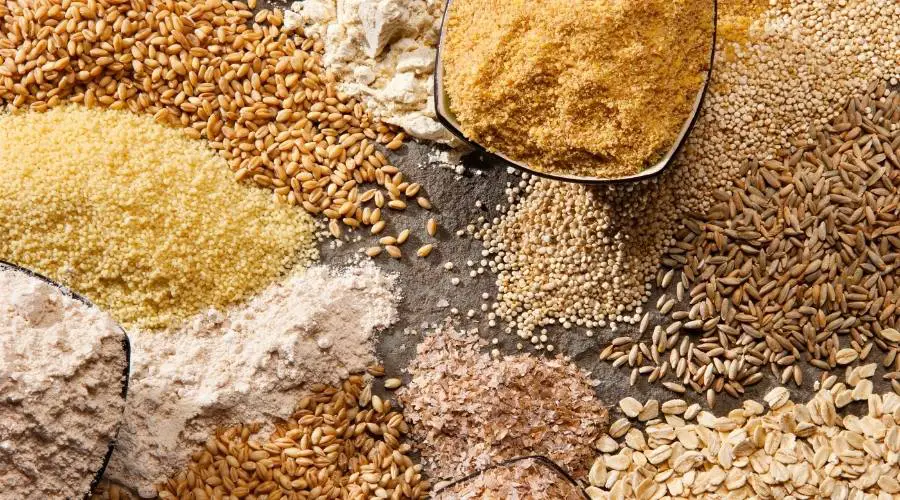
Whole wheat berries keep far longer than ground whole-wheat flour. Pack them in food-grade, moisture-proof containers. Utah State University suggests rotating wheat within about five years when possible, even though well-packed wheat has stayed acceptable much longer in storage tests.
If you plan to grind wheat, make sure you own a mill and know how to use it. Our grain mill guide can help. You can also see whether grinding your own flour may save money.
Dry beans and lentils
Dry beans, split peas, and lentils are low-cost sources of protein and fiber. They can keep for years in sealed, dry storage. Older beans may take longer to soften, so test your supply and rotate it into normal meals.
Dry beans need water, fuel, and time to cook. Keep canned beans or ready-to-eat food for short outages when cooking may be hard.
Commercial freeze-dried food
Commercial freeze-dried meals, meat, fruit, vegetables, dairy, and eggs can be useful for long storage. The exact life depends on the product and package. Use the date and storage directions from the maker instead of giving every freeze-dried food the same number.
Most freeze-dried food needs clean water. Add that water to your plan. See our guide to freeze-dried food options or our list of foods you can and cannot freeze-dry.
Foods that usually last a few years
Commercial canned food
Canned meat, fish, beans, vegetables, soup, and fruit are easy to use during an outage. USDA lists 2 to 5 years for the best quality of many low-acid canned foods. High-acid foods, such as tomatoes and many fruits, have a shorter range of 12 to 18 months.
Not every can belongs on a pantry shelf. Some canned ham and seafood say “Keep Refrigerated.” Read the label. Do not use cans that are leaking, bulging, badly dented, or heavily rusted.
Pasta, oats, flour, and dry mixes
Dry pasta, rolled oats, white flour, pancake mix, powdered drink mix, and boxed meals do not need a refrigerator before opening. They are useful, but they are not all decades-long foods. Keep the package dry, write the purchase date on it, and rotate it into meals.
Powdered milk and dried dairy
Powdered milk, butter powder, egg powder, and freeze-dried cheese can add protein and make meals more familiar. Fat shortens storage life, so whole-milk and full-fat products often keep for less time than lower-fat products. Follow the label for each item.
Foods to rotate within a year
Home-dried fruit and vegetables
Home-dried food is not the same as commercial freeze-dried food. The National Center for Home Food Preservation gives a general range of 4 months to 1 year for dried foods. Most dried fruit keeps for about a year at 60°F and about six months at 80°F. Dried vegetables often keep for about half as long as fruit.
Check dried food for moisture. Throw away moldy food. Our food dehydrating guide explains which foods work well and which do not.
Nuts, seeds, oils, and whole-grain flour
These foods are helpful sources of fat and calories, but their natural oils can turn rancid. Store small amounts and replace them as you eat them. A smaller supply that stays fresh is better than a large supply you have to throw away.

Ready-to-eat foods for a power outage
The food with the longest shelf life is not always the best food for the first day of an outage. Rice and beans need water and cooking fuel. Keep some food you can open and eat right away.
- Canned meat, fish, beans, soup, fruit, and vegetables
- Nut or seed butter
- Crackers, cereal, and granola bars
- Fruit cups and applesauce pouches
- Commercial jerky
- Trail mix and dried fruit
- Ready-to-eat meals in pouches
Choose foods your family already eats. Include a manual can opener. If a food needs water, count that water in your plan. Read our guide to storing meat without refrigeration for more protein choices.
How storage conditions change shelf life
- Heat: Food loses quality much faster in a hot garage or attic.
- Moisture: Dry food can mold or spoil if water gets into the package.
- Light: A dark storage area helps protect color, flavor, and nutrients.
- Oxygen: The right oxygen absorber can help some dry foods, but it is not right for every food. Read our oxygen absorber guide first.
- Pests: Use clean food-grade containers and check them for damage.
- Time: Write the pack or purchase date on every container. Use the oldest food first.
Frozen food is not non-perishable. It stays safe only while the freezer keeps it cold. If you are planning for a long power outage, do not count frozen food as your only backup.
Build a pantry your family will use
Start with one week of normal food. Add a few extra cans, bags, or boxes each time you shop. Eat the older food and put the new food behind it. This simple habit works better than buying a large amount of food no one likes.
Store a mix of protein, grains, fruit, vegetables, fats, and familiar snacks. Think about allergies, babies, older adults, pets, and foods that need special cooking. For lower-cost sources, see our guides to buying bulk food online, finding lower-cost grocery stores, and Amish bulk food stores.
Helpful food storage products
As an Amazon Associate, I earn from qualifying purchases.
You do not need special food for every part of your pantry. Start with food from your grocery store. If you want bulk staples or ready-made emergency food, these links can help you compare current options:
- Bulk wheat berries on Amazon
- Bulk rice on Amazon
- Freeze-dried meat on Amazon
- Freeze-dried meals on Amazon
- Ready-to-eat emergency meals on Amazon
Prices, product details, and stock can change. Read the current listing and package directions before you buy.
Frequently asked questions
What foods last the longest without refrigeration?
Properly packed white rice, whole wheat, dry beans, sugar, salt, and some commercial freeze-dried foods are among the longest-lasting choices. The package, temperature, moisture, and seal matter as much as the food.
Are all canned foods safe to keep in a pantry?
No. Some canned ham and seafood must stay cold even before opening. These products say “Keep Refrigerated.” Always read the label.
Can canned food last forever?
No food should be treated as a forever food. Commercial cans can stay usable for a long time when the can is sound and stored well, but taste, texture, and nutrition change. Throw away any can that is leaking, bulging, badly dented, or heavily rusted.
Is freeze-dried food the same as dehydrated food?
No. Freeze-drying removes water while the food is frozen and under a vacuum. Dehydrating uses warm moving air. Commercial freeze-dried food often has a longer package date, but you should follow the label for the exact product.
What is the best place to store shelf-stable food?
Use a cool, dry, dark area with a steady temperature. A pantry or finished basement is often better than a hot garage or attic. Keep food off damp floors and away from pests.