Free · Private on this device · No account required
Food Storage Calculator
Estimate your household’s food, water, and preparation needs from 3 days to one year.
Personalized, not one-size-fits-all.
Uses the 2023 National Academies energy equations and transparent emergency-planning assumptions.
Household calculator
Build your target
Three short steps. Adjust anything after seeing your results.
A practical starting point
How much emergency food and water should you store?
Start with a period your household can realistically build and rotate. A 3-day supply covers the shortest disruptions; two weeks is a useful next milestone; a rotating one- to three-month pantry provides more resilience without requiring specialized long-term foods.
How the calculator works
It estimates each person rather than treating every household member as an identical adult. It multiplies the household’s daily energy target by the normal planning period, then adds the selected number of shelf-stable emergency-food days. Water is shown separately for the normal planning period, food preparation, animals, and the extra emergency days.
Sources and assumptions
- National Academies: Dietary Reference Intakes for Energy, 2023
- Ready.gov emergency water planning guidance
Calculation version: 2023-NASEM-EER-v3.
Reviewed by Colton BlairUpdated September 2026.
Food storage examples
What foods can make up a home food-storage plan?
A useful food supply combines familiar foods from several categories. The calculator assigns calories to these categories; it does not certify that a plan is nutritionally complete. Medical diets, allergies, infant feeding, nutrient needs, and household preferences require individual planning.
Grains and starches
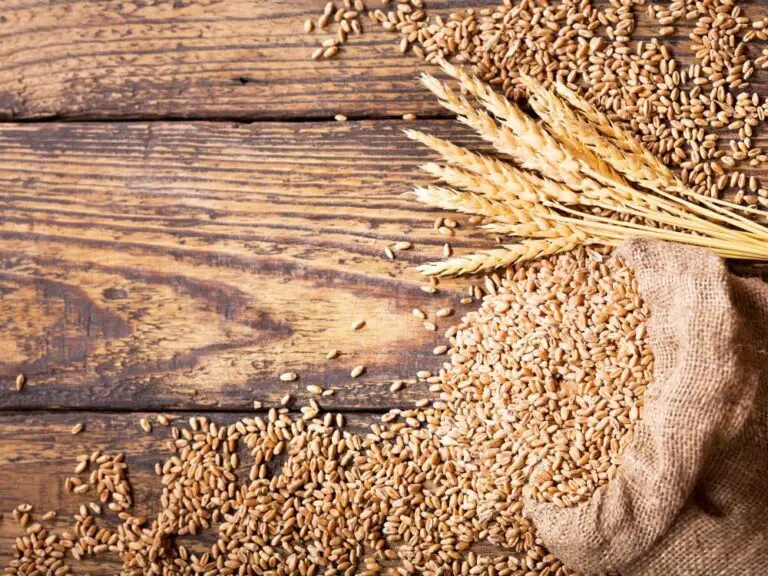
Common options include rice, oats, pasta, flour, crackers, tortillas, cereal, crispbread, and potato flakes. Match the mix to available fuel and preparation water.
Beans and legumes
Dry lentils, pinto beans, chickpeas, split peas, canned beans, refried beans, and ready-to-eat bean pouches provide choices for different cooking conditions.
Protein foods
Examples include canned chicken or fish, peanut butter, jerky, whole-egg powder, freeze-dried or other dried proteins, and familiar protein or meal bars.
Fruits and vegetables
Canned fruit, canned vegetables, applesauce, fruit cups, dried fruit, and dehydrated or freeze-dried produce offer different balances of weight, water, and storage life.
Fats and oils
Cooking oil, olive oil, nuts, seeds, nut or seed butter, shortening, and ghee provide concentrated calories. Store only amounts the household can rotate appropriately.
Dairy and alternatives
Powdered milk, evaporated milk, shelf-stable milk, suitable cheese, and fortified beverage powders vary greatly in weight and storage requirements.
Comfort foods and flexible calories
Familiar snack bars, cookies, chocolate, hard candy, and caloric drink mixes can add variety and morale without replacing broader food planning.
Calories are not the same as complete nutrition
Calories estimate available food energy. They do not by themselves measure protein quality, fiber, vitamins, minerals, sodium, added sugars, dietary suitability, or whether foods form practical meals. Use the category allocation as a starting framework, then review the actual foods and Nutrition Facts labels for the people being served.
How the food-weight estimates are calculated
For each example food, the calculator multiplies category calories by that food’s percentage within the category, then divides by a rounded representative calorie density. The resulting weight is an estimate for storage-space planning—not a purchase instruction.
| Storage form | Representative kcal/lb | Approx. kcal/kg | Planning note |
|---|---|---|---|
| Dry grains, cereal and starches | 1,430–2,100 | 3,150–4,630 | Varies by sugar, fat, and preparation. |
| Prepared or canned legumes | 540–630 | 1,190–1,390 | Water and drained weight change the result. |
| Dry or roasted legumes | 1,540–1,800 | 3,400–3,970 | Dry weights require cooking or are ready-to-eat roasted foods. |
| Canned meat and fish | 520–750 | 1,150–1,650 | Oil-packed, water-packed, and drained products differ. |
| Nut butter and dry protein foods | 1,500–2,700 | 3,310–5,950 | Includes dried proteins, egg powder, bars, and spreads. |
| Canned fruit, vegetables and fruit cups | 200–350 | 440–770 | Liquids and syrups can substantially change weight and calories. |
| Dried or freeze-dried produce | 1,300–1,500 | 2,870–3,310 | Plan water separately when rehydration is needed. |
| Oils, shortening and ghee | About 4,000 | About 8,820 | Concentrated calories; rotation and storage conditions matter. |
| Nuts and seeds | 2,500–2,800 | 5,510–6,170 | Variety and added ingredients change density. |
| Liquid or canned dairy | 280–600 | 620–1,320 | Water content makes these much heavier than powders. |
| Powdered dairy and beverage mixes | 1,600–1,700 | 3,530–3,750 | Use the calories of the dry product being stored. |
| Snacks, candy and comfort foods | 1,600–2,400 | 3,530–5,290 | Product recipes vary widely. |
Source notes
Rounded planning densities are benchmarked against comparable foods in USDA FoodData Central. Branded recipes and serving sizes vary, so the product’s current Nutrition Facts label always overrides this reference. For canned foods, compare the stored or drained form you actually plan to use.
Reference version: FSC-food-density-v1 · Last reviewed: September 2026
Common questions
Food storage calculator FAQ
How much emergency food should I store?
Begin with 3 extra emergency-food days or two weeks of foods your household already eats, then expand the normal planning period toward a rotating one- to three-month pantry. Longer targets require more deliberate rotation, packaging, and cooking planning.
Does the water result include cooking water?
Yes, when you select an additional preparation-water allowance. The results show normal-period water, food preparation, animals, and water for the extra emergency-food days separately.
Why does the calculator ask for height and weight?
Those details let it use person-level energy equations instead of assuming every adult and child needs the same amount.
Does meeting the calorie target make the plan nutritionally complete?
No. Calories measure food energy, not complete nutrition. Review protein, fiber, vitamins, minerals, sodium, added sugars, allergies, medical diets, age-specific needs, and whether the stored foods form practical meals. Use package labels and qualified professional guidance when individual needs require it.
Are the category weights a shopping list?
No. They are rough equivalents for balance and storage-space planning. Package nutrition and the foods your household will actually eat determine real quantities.
Amazon Associates disclosure: As an Amazon Associate I earn from qualifying purchases.