
How to Boil Water Without Electricity
Updated October 23, 2026: We clarified drinking-water boil times, outdoor burner use and model-specific stove limits, and removed improvised candle-cooking instructions.
When the power goes out and your kids want mac and cheese, an electric stove isn’t much help. If you’re like me and don’t have a gas stove, you need another way to heat the pot.
You may already have an option in your camping gear or backyard. Start with a heat source you can use safely, then decide whether you’re heating clean water for a meal or treating water for drinking.
Start here
How can you boil water without electricity?
Use an outdoor camp stove, a suitable grill or a permitted campfire with stable cookware. An installed gas cooktop may work if its manual allows outage use. To kill germs in drinking water, bring clear water to a rolling boil for 1 minute, or 3 minutes above 6,500 feet. Let it cool before drinking.
Choose the option you already know how to use
For a short outage, safe bottled or stored water may mean you do not need to boil anything. If you need hot water for a meal, choose equipment you have used before. An outage is a hard time to learn an unfamiliar fuel connection.
| Option | Where to use it | Check first |
|---|---|---|
| Camp stove | Outdoors only. | Use the fuel, cookware and connections approved for that model. |
| Grill with a suitable burner or cooking grate | Outdoors only. | The grill must support the pot securely and allow that cookware. |
| Campfire or cooking fire pit | Outdoors, where fires are allowed. | Check fire restrictions and use a proper cooking grate or pot support. |
| Installed gas kitchen cooktop | In its installed location, only as its manual allows. | Some models cannot be lit manually; ventilation may also need power. |
| Wood cookstove | In a properly installed, maintained and vented setup. | Its manual must permit cooking. A hot room-heating stove is not automatically a cooktop. |
| Solar cooker | Outdoors in suitable direct sunlight. | Use the maker’s pot and setup directions. Warm water is not proof that it boiled. |
| Purpose-built rocket stove | Outdoors, subject to fire rules. | Use the maker’s instructions. Do not rely on a homemade stove’s claimed burn time. |
There is no single boil time for every stove and pot. Water amount, starting temperature, weather and equipment all affect how long heating takes. Watch the water rather than assuming a burner has run long enough.
How long should you boil drinking water?
For water that needs treatment for germs, use the CDC’s steps below. A rolling boil has vigorous bubbles across the water’s surface. Steam or a few bubbles at the bottom is not the same thing.
- Clear cloudy water first. Let dirt settle and draw off the clearer water, or filter it through a clean cloth, paper towel or coffee filter. This removes particles, not all germs.
- Bring it to a rolling boil. Start timing when the water is boiling vigorously, not when you first light the stove.
- Keep it boiling for 1 full minute. Above 6,500 feet elevation, meaning height above sea level, boil for 3 minutes. Follow any specific instructions from your local water or health authority.
- Cool it before use. Store the cooled water in clean, sanitized containers with tight covers. Keep hands and dirty utensils out.
Source: CDC: How to Make Water Safe in an Emergency.
Boiling does not fix every water problem
If water may contain fuel, toxic chemicals or radioactive material, choose another safe source and follow local health advice. Boiling cannot make it safe. This guide’s boil times are for germs, not chemical contamination.
If your tap water is safe and you only need it for cooking, follow the food’s cooking directions. During a boil-water advisory, follow the authority’s water-treatment instructions before using water in food or drinks. Never use a taste test to judge questionable water.
A camp stove is a practical place to start
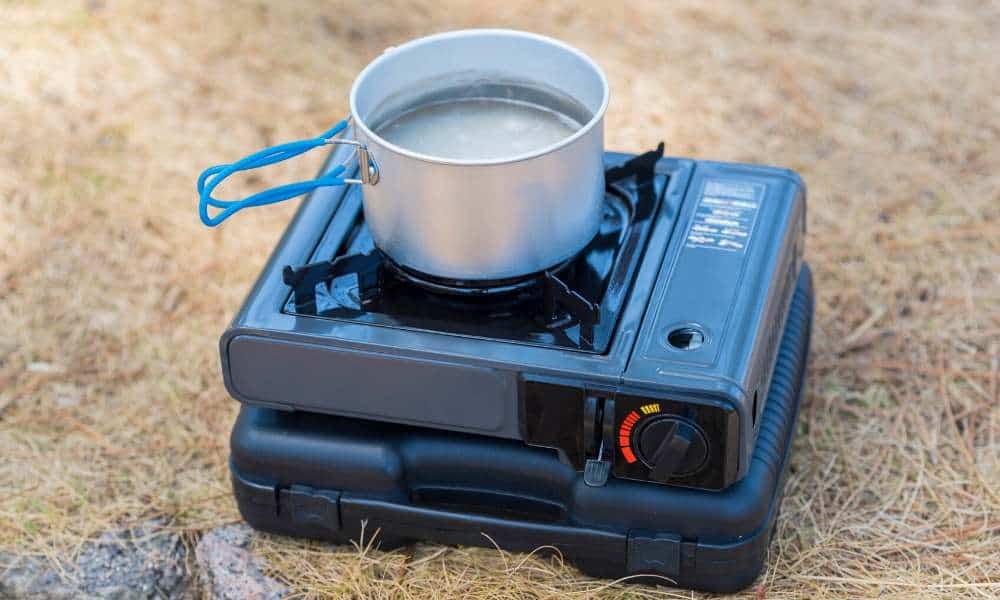
We have a small two-burner camp stove and keep propane on hand. We also use larger propane tanks with our grill, gas fire pit and camp stove. When one gets low, I get it filled while we use the other. That rotation makes me feel better prepared.
Check your own stove’s manual before choosing a cylinder or adapter. A fitting that screws on is not enough to show that the pressure, regulator and hose are right for the stove. Follow its connection and leak-check directions.
Set it on the stable, heat-safe surface its maker requires, clear of dry grass and other things that burn. Use a pot that fits the supports without tipping. Keep children away from the flame, fuel and hot handles.
If you’ll boil water more than once a day, estimate the total burner time for all those batches. The propane runtime calculator can help you figure out how much fuel to set aside for the number of days you’re planning for.
Our family’s warm-water example
My dad has used his turkey-fryer burner to heat water for our boys’ winter swims in a garage pool. That story shows why a larger burner can be useful for warming water, but it is not a drinking-water treatment test.
To be clear, the burner must stay outdoors. A pool being in the garage does not make the garage a safe place to run a propane burner. Large pots of hot water also need careful handling; do not carry a pot you cannot lift safely.
Coleman explains why portable fuel-burning stoves belong outdoors. A turkey-fryer burner needs its own manufacturer’s instructions.
Can you boil water on a grill?
A grill may be useful if its maker allows the setup and the pot rests securely on the grate or side burner. Use cookware intended for that heat source. Plastic handles and a narrow pot balanced over wide grate gaps are poor choices.
Keep the grill outdoors. Use heat-resistant mitts, turn handles away from passing people and let the water cool before pouring. If the grill cannot hold the pot steadily, use another method.
A fire pit or campfire needs a proper pot support
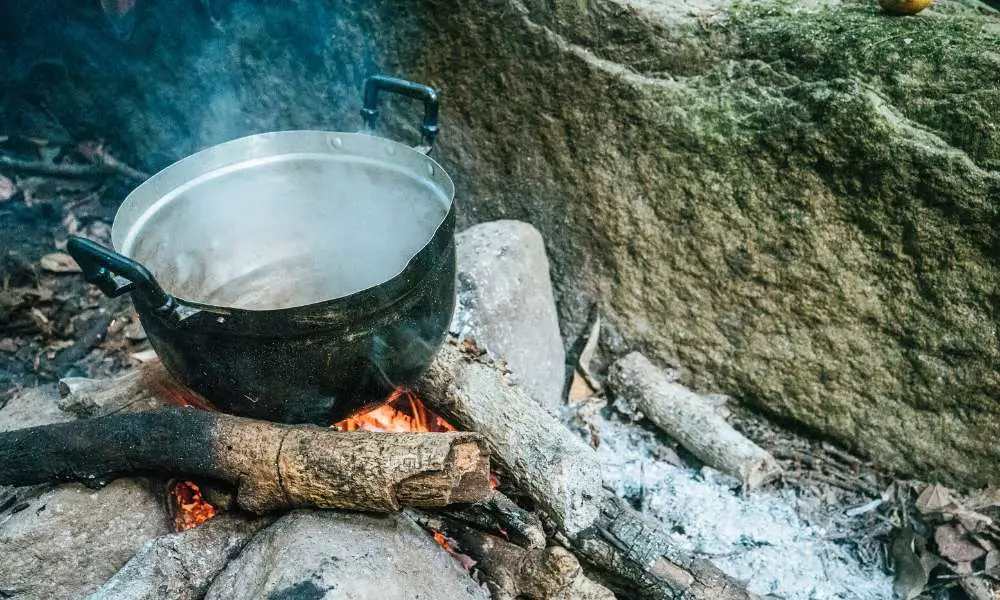
If you already have a safe cooking fire pit, it may give you another option. Check local fire restrictions first. Dry, windy conditions may rule out an open fire even when you need hot water.
Use a cooking grate or a support intended to hold the pot. Keep the fire attended, keep extinguishing water nearby and put it out completely before leaving. Do not build a new fire ring where one is not allowed.
The National Park Service covers fire conditions, site choice and extinguishing a campfire.
What about a rocket stove?
A purpose-built wood-burning rocket stove is another outdoor cooking option. It still needs stable cookware, safe clearances and permission to burn. It does not become safe indoors because it uses small pieces of wood.
Our earlier guide included a plan to add one to our supplies, not a documented test of a particular stove. I would not use that as proof of a one-hour burn or a promised boil time. Use the instructions for the model you actually have.
Will a gas stove work when the power is out?
Some installed gas cooktops allow manual lighting during an outage. Others have safety controls that prevent it. Check your model’s manual before trying, and follow its lighting and ventilation directions exactly.
Do not assume that an oven can be lit the same way, or use a stove or oven to heat the house. If required ventilation cannot work without power, choose another meal or an outdoor cooking method.
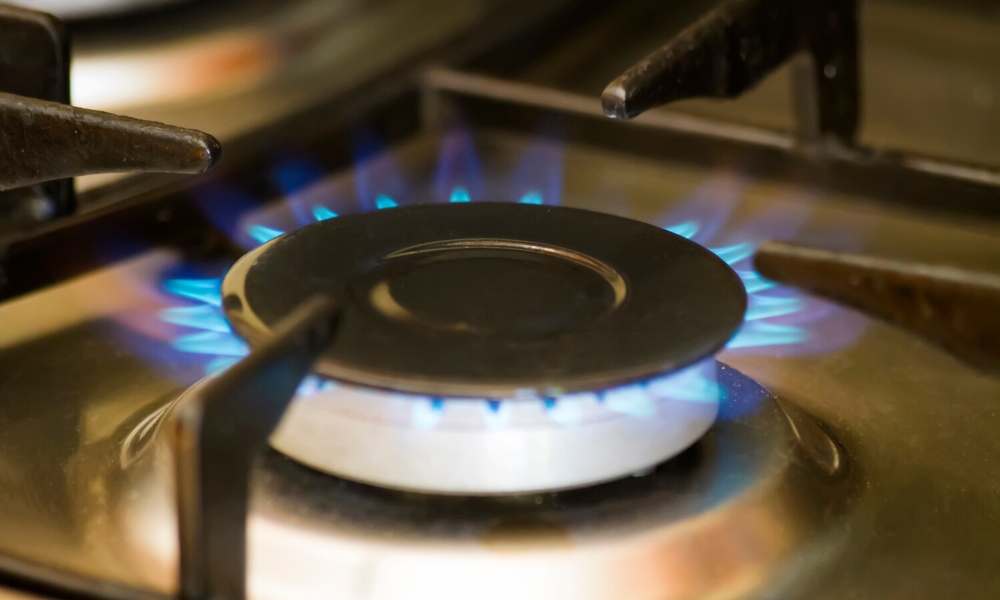
Whirlpool explains model-specific outage use; CDC explains carbon monoxide prevention.
Can you use a wood stove or fireplace?
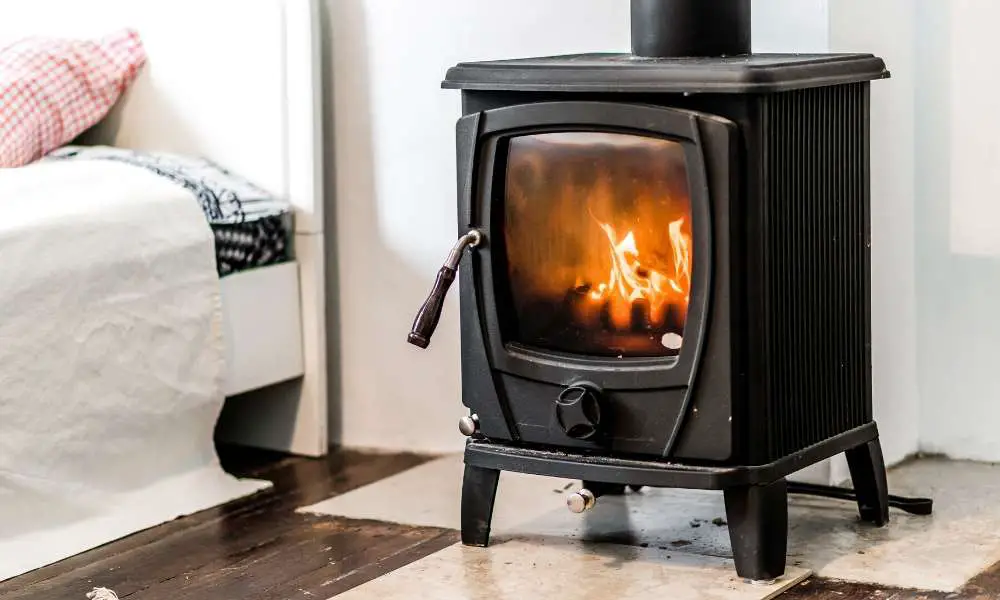
A wood cookstove can be an option when it is properly installed and maintained, safely vented and approved for cooking. Follow its manual for cookware and operation.
Do not assume every room-heating stove can hold a pot, and do not put cookware into a decorative or gas fireplace. If you cannot confirm that the appliance is made for cooking, leave it out of your water-heating plan.
A solar cooker needs the right weather
A solar cooker can heat water without burning fuel. Some models can boil it in suitable sunlight, but clouds, wind, the pot and the setup affect the result. Follow the cooker’s instructions and have a backup for dark or stormy weather.
For drinking-water treatment, do not count water as boiled because it feels hot or has sat in the sun for a certain time. Solar pasteurization uses a different verified temperature process. If you are following the boiling steps above, you still need to achieve the rolling boil and full holding time.
Haines describes its cooker’s capabilities; Solar Cookers International explains solar cooking and water pasteurization. These are manufacturer and specialist sources, not our own boiling tests.
Skip the improvised candle cooker
I would not make a tray of tea lights and a pot balanced above them part of our emergency water plan. It adds open flames and hot wax without a stable, purpose-built cooking setup.
The U.S. Fire Administration recommends flashlights rather than candles during outages. Use a proper stove in its allowed location, or choose stored drinking water and food that does not need heating.
Equipment links from this guide
These are affiliate links. If you buy through them, we may earn a commission at no extra cost to you.
The family examples above are not a controlled comparison of these products. Check the current model, instructions and fuel compatibility before buying. You do not need every item to make a useful outage plan.
- Coleman propane camp stove
- Propane hose and connector: use only if the stove and connection instructions allow this exact setup.
- 20-pound propane cylinder listing and 40-pound propane cylinder listing: larger cylinders need approved connections and safe storage.
- Haines solar cooker: consider your sunlight and backup plan before choosing solar.
- Lixada folding wood-burning stove listing: use outdoors and check the model’s instructions; this link is not a boil-time test.
Put the water-heating kit together before you need it
Check these items against your own equipment. The boxes are a planning aid, not a safety certification, and reset when this page reloads.
Start with one method that fits your household
You do not need to collect every stove on this list. A familiar outdoor cooker, a suitable pot and stored water can be more useful than a pile of equipment you have never tried.
Use our water storage calculator to plan a supply, and see our emergency cooking guide for meals that fit your available equipment. For treatment choices beyond boiling, read the water purification guide.
About this guide: Kaycee’s electric-stove concern, kids’ lunch example, family warm-water story and propane rotation routine come from her earlier article. Safety guidance comes from the linked public-health, fire-safety and equipment sources, checked October 23, 2026. No new boil-time or fuel-use tests were performed.